
When researching treatment options, many people come across intensive outpatient programs and wonder whether housing is part of the package. The question is especially common among those who are newly sober, living in unstable environments, or stepping down from inpatient care and are unsure where to turn next. The short answer is that most traditional IOP programs do not include housing, but there are exceptions, and there are ways to combine the two. Understanding how housing and IOP fit together can help you build a recovery plan that meets your needs from every angle.
Do IOP programs include housing? This guide walks through what IOP programs typically offer, when housing is included, and how to find combined programs if you need both.
The Short Answer: Most IOPs Do Not Include Housing

A traditional intensive outpatient program is designed as a daytime or evening treatment service. Participants attend therapy sessions several days a week, then return to their own homes, apartments, or living arrangements. Housing is generally not built into the structure of standard IOP care. If you are still learning the basics, our complete guide to intensive outpatient programs explains how IOP works, who it helps, and what to expect from treatment.
How Traditional IOPs Are Structured
Many IOPs run for three to four hours per day, three to five days per week, often over a period of eight to twelve weeks, though schedules and length vary by program and clinical need. During those hours, participants engage in group therapy, individual counseling, skill-building workshops, and sometimes medication management. Outside of program hours, participants are responsible for their own living situation, meals, transportation, and daily routines.
This structure is intentional. The whole point of an IOP is to provide meaningful support while allowing people to remain integrated in their lives. For those who already have stable housing and a supportive environment, this works well. For those without stable housing or who are returning to high-risk environments, additional support may be needed. For more on what affects this timeline and when someone is ready to step down, see our guide on how long an intensive outpatient program lasts.
Flexible Support for Your Next Step
Our Intensive Outpatient Program offers flexible support for recovery and mental wellness, so you can heal, grow, and thrive.
Explore Our IOP Program →Why Standard IOPs Don’t Include Housing
The reason most IOPs do not include housing comes down to design and licensing. IOPs are classified as outpatient services, which means they provide treatment without 24-hour care or residential living. Inpatient programs and residential treatment centers typically include overnight stays or on-site living. Partial hospitalization programs may sometimes be paired with housing, but PHP itself is usually still an outpatient level of care.
Insurance and licensing also play a role. Outpatient treatment is reimbursed differently from residential care, and providers are typically not equipped or licensed to offer overnight accommodations as part of the program. Housing services usually fall under separate licensing categories, such as recovery residences or sober living homes.
When Housing Is Combined with IOP Treatment
Although housing is not a standard part of IOP, several treatment models do combine the two. These programs are especially common in addiction recovery and are designed for people who need a stable, supportive environment to make their treatment effective.
Sober Living Homes
Sober living homes are residences for people in recovery from substance use disorders. They are independent of treatment programs but often partner with IOPs to provide a stable place to live during outpatient care. Residents pay rent, follow house rules such as curfews and drug testing, and maintain accountability with other residents. Sober living usually offers structure without the clinical intensity of residential treatment, though some clinical recovery residences provide a higher level of support.
Supportive Housing Programs
Some treatment providers offer formal supportive housing alongside their IOP. These programs typically include case management, peer support, life skills training, and regular drug screenings in addition to the clinical IOP services. Supportive housing programs may last several months to a year or longer and use a phased approach that gradually increases independence as residents progress.
Recovery Residences
Recovery residences are a broader category that includes sober living homes, halfway houses, and three-quarter houses. They vary in level of structure, from highly supervised settings with daily check-ins to more independent arrangements where residents share a home and basic accountability standards. Many people in IOP find that combining their treatment with a recovery residence creates a stronger foundation for long-term recovery.
Comparing Levels of Care and Housing
The chart below shows how IOP fits within the broader treatment landscape and how housing typically aligns with each level.
| Level of Care | Housing Included? | Typical Duration | Best For |
|---|---|---|---|
| Inpatient/Residential Treatment | Yes, on-site | Commonly 30 to 90 days, though duration varies | Acute crisis, detox when medical withdrawal management is provided, severe symptoms |
| Partial Hospitalization | Usually no, though some providers pair PHP with housing or lodging | 2 to 6 weeks | Intensive daily structure needed |
| Intensive Outpatient (Standard) | No | 8 to 12 weeks | Stable home environment |
| IOP with Sober Living | Yes, via partner residence | Varies, often several months or longer | Need recovery-focused environment |
| IOP with Supportive Housing | Yes, integrated program | Several months to a year or longer, depending on program design and need | Early recovery, rebuilding stability |
| Standard Outpatient | No | Ongoing | Mild symptoms, maintenance care |
This comparison shows that while standard IOP does not include housing, you have options for combining outpatient treatment with structured living arrangements when needed.
Who Benefits from Combining IOP with Housing?
For some people, IOP alone is enough. Others benefit significantly from pairing treatment with housing support. The right choice depends on your circumstances.
People who often benefit from combining IOP with housing include:
- Those leaving inpatient or residential treatment who are not yet ready for full independence
- Individuals returning to environments that triggered their original substance use
- People without stable or safe housing of their own
- Those whose home life involves active substance use by family or roommates
- Individuals in early recovery who need accountability and structure
- People who have relapsed in unsupervised settings in the past
- Those rebuilding their lives after incarceration or homelessness
- Anyone who feels their daily environment makes recovery harder
If any of these apply, looking for an IOP with associated housing options or pairing your treatment with a sober living arrangement can improve stability, accountability, and treatment engagement.
How to Find an IOP with Housing Support
If you have determined that you need both clinical treatment and a supportive living environment, several steps can help you find the right combination.
Start by asking treatment providers directly whether they offer housing or partner with recovery residences. Some IOPs maintain referral relationships with local sober living homes and can help coordinate your placement. Others have integrated programs where housing and treatment work as a single coordinated plan.
Reach out to local recovery community organizations, which often maintain directories of vetted sober living homes in your area. Talk to alumni of treatment programs about their housing experiences. Contact your insurance provider to ask about coverage for clinical services and whether any housing-related supports are available.
If you are working with a clinician, social worker, or case manager, they can often facilitate connections to housing resources you might not find on your own.
What to Look For in IOP-Compatible Housing
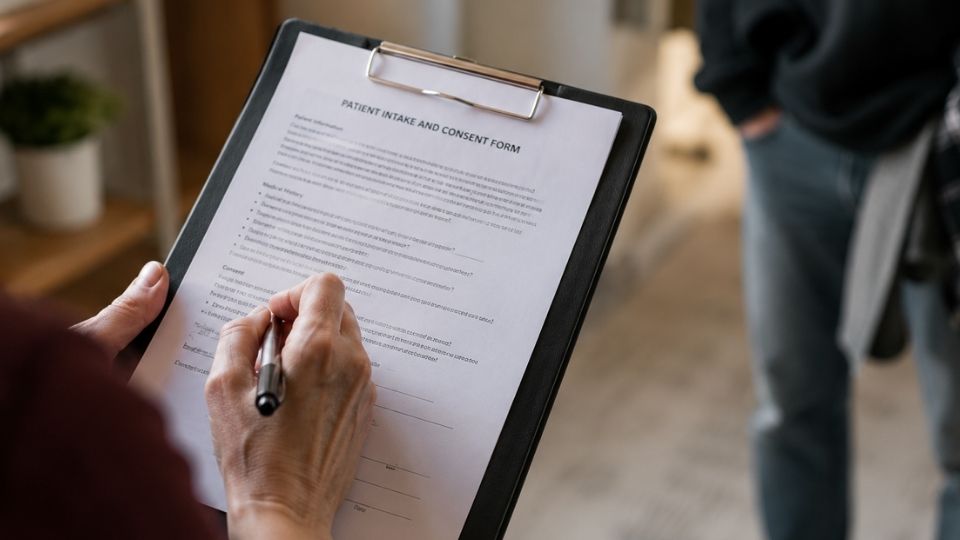
Not all sober living or recovery housing options are created equal. The quality and structure of these residences can vary widely, so it pays to evaluate carefully before making a commitment.
Key things to look for include:
- Clear house rules and expectations, including curfews and substance use policies
- Regular drug and alcohol testing
- Trained house managers or supervisors on-site
- Required attendance at recovery meetings or treatment sessions
- A peer community in active recovery
- Reasonable rent and clear financial expectations
- A phased approach that builds independence over time
- Connection to clinical care, including IOP, therapy, or medication management
- Certification through organizations such as the National Alliance for Recovery Residences
A well-run recovery residence should be transparent about its rules, fees, staffing, and expectations. Tour the home if possible, talk to staff or alumni when available, and ask detailed questions about how the program works.
Costs and Insurance Considerations
Cost is a practical concern for most people seeking treatment. Standard IOP services may be covered by health insurance, including many private plans and some Medicaid or Medicare benefits, when medically necessary and provided by an eligible provider. Coverage varies by plan and provider, so verify benefits before committing.
Housing, on the other hand, is rarely covered by health insurance. Sober living and recovery residences usually charge monthly rent, ranging from a few hundred to several thousand dollars, depending on the area and level of services. Some programs offer scholarships, sliding scale fees, or partnerships with state-funded recovery initiatives. In a few cases, supportive housing programs that integrate housing with clinical services may be partially covered through specific government programs or grant funding.
If cost is a barrier, ask programs about payment plans, financial assistance, and any local resources designed to make recovery housing more accessible.
Making the Right Choice for Your Recovery
So, do IOP programs include housing? In most cases, no. But the larger and more important question is whether you need both treatment and housing support to make your recovery sustainable. For many people, the answer is yes. Living in a stable, recovery-focused environment while attending IOP can make the recovery process more manageable for many people.
If you are exploring your options, do not let the structure of traditional IOP discourage you. Combined programs and partnerships exist specifically because providers recognize that healing happens best in environments that support it. Whether you choose a standalone IOP with your own home, an IOP paired with a sober living residence, or an integrated program that combines both, the goal is the same: building a life in which recovery can take root and grow. Reach out to providers, ask questions, and find the combination that gives you the best chance to thrive.