

Cravings for alcohol can feel overwhelming, especially in the first weeks after you have stopped drinking or started cutting back. Whether you are working through alcohol addiction, managing alcohol use disorder, or simply trying to reduce how often you drink alcohol, learning how to control alcohol cravings is one of the most useful skills you can build. The good news is that small daily choices around food, movement, mindset, and support can meaningfully reduce alcohol cravings over time, especially when combined with professional care when needed. When home strategies are not enough on their own, structured care such as our intensive outpatient program for alcohol use disorder brings therapy, medication options, and community support together in one place
This guide walks through what drives alcohol cravings, ten practical tips to manage them, foods and supplements that may help, and when to consider professional help.
Why People Experience Cravings for Alcohol

Alcohol cravings are driven by changes in brain reward, stress, memory, GABA, glutamate, dopamine, and opioid-signaling pathways that develop with repeated use, leading to a dependence that causes intense cravings. When you quit drinking, your brain chemistry has to recalibrate, and that process can produce a strong urge to drink.
Many people find that cravings spike during the first few weeks after they quit drinking, then become less frequent as the brain adjusts. They can also return during stress or exposure to triggers. Understanding this timeline can make the experience feel less overwhelming.
How Alcohol Addiction Affects the Brain
Chronic alcohol use can change the brain’s reward system, making drinking feel necessary rather than optional. The brain learns to associate alcohol with relief, pleasure, and emotional regulation. Over time, this association strengthens, which is why people with alcohol dependence often crave alcohol even when drinking no longer feels enjoyable.
Genetic factors account for roughly 50% of a person’s vulnerability to alcohol use disorder, meaning some individuals are more predisposed to experience cravings at higher intensity. That biology does not block recovery, but it does shape what an effective treatment plan looks like.
Internal and External Triggers That Make You Drink Alcohol
Triggers come in two main forms. Internal triggers include emotions like loneliness, anger, sadness, or boredom. External triggers include people, places, or situations tied to past drinking, such as a favorite bar or holiday gatherings.
Environmental factors play a role, too. Growing up in a household where heavy drinking was normalized or living in a high-stress environment can increase vulnerability to alcohol use patterns and cravings. Recognizing what triggers cravings for you personally is one of the most useful skills in early recovery.
10 Tips for Managing Alcohol Cravings
These strategies work best together. No single tip will stop alcohol cravings on its own, but combining them gives you a stronger foundation for managing alcohol cravings day to day.
1. Identify Personal Triggers for Alcohol Use
Pay attention to when alcohol cravings hit. Are they tied to specific times of day, certain people, or particular emotions? Keeping a simple log for two or three weeks often reveals patterns you can plan around. Once you know what triggers cravings for you, you can build coping strategies that address them directly.
2. Practice Mindfulness to Curb Cravings
Mindfulness techniques, such as deep breathing and meditation, can help individuals manage alcohol cravings by promoting self-awareness and reducing stress, making it easier to resist urges. Even five minutes of slow, focused breathing can lower the intensity of a craving as it passes.
Many individual cravings peak within 15 to 30 minutes, though some last longer or come in waves. Riding out that window with a calming practice instead of acting on the urge to drink builds confidence each time you succeed and helps curb cravings going forward.
3. Eat Healthy Fats and Complex Carbs
Nutrition plays a larger role in alcohol cravings than many people realize. Blood sugar dips can worsen irritability, fatigue, and urges to drink, especially when the body has learned to associate alcohol with quick relief or energy. A balanced diet that includes high-protein foods, whole grains, and antioxidant-rich fruits and vegetables can help stabilize blood sugar levels and may reduce one trigger for alcohol cravings.
Complex carbohydrates from oats, brown rice, and whole grains provide a steady release of energy. Pair complex carbohydrates with healthy fats from avocados, olive oil, nuts, and seeds to keep blood sugar steady throughout the day. Lean meats and legumes round out meals with protein that supports stable blood sugar.
4. Try Dark Chocolate and Herbal Teas
Dark chocolate in small amounts can satisfy a sweet craving and provides some magnesium, a nutrient that may be low in people with chronic alcohol use. A square or two of dark chocolate paired with a warm cup of herbal teas like chamomile, peppermint, or rooibos can serve as a calming alternative activity when an urge to drink hits.
Dark chocolate may also feel comforting for some people, which can help create a non-alcohol replacement ritual during moments of emotional distress when cravings tend to spike. Keeping dark chocolate and herbal teas stocked at home gives you a ready replacement when cravings for alcohol show up.
5. Move Your Body to Reduce Stress
Engaging in physical exercise can release endorphins and improve mood, which may help reduce the urge to drink alcohol during cravings. You do not need a gym membership. A 20-minute walk, light stretching, or a short bike ride can shift your mental state and help reduce stress.
Regular movement also improves sleep, which is often disrupted in early recovery and can otherwise worsen alcohol cravings.
6. Use Distraction as a Coping Strategy
Distraction techniques, such as puzzles, games, or engaging in hobbies, can effectively divert attention from cravings and help individuals cope with the urge to drink. The goal is simply to occupy your mind during the peak craving window.
Some options worth keeping on hand:
- A puzzle, crossword, or sudoku
- A new recipe to cook
- A phone call with a trusted friend
- A walk in an unfamiliar neighborhood
- A creative project like drawing, journaling, or writing
7. Journal to Track Your Alcohol Consumption Patterns
Keeping a journal to write down feelings and thoughts can help individuals process emotions and identify triggers for their cravings, aiding in better management of alcohol urges. Over time, journaling often reveals connections between mood, environment, and alcohol consumption that you would not otherwise notice.
You can also use a journal to track wins, however small. Each day you do not drink alcohol is worth recording, and reviewing those entries later builds motivation during harder stretches.
8. Build a Support System
Recovery is rarely a solo project. Family members, a trusted friend, support groups, and group therapy all play a role. Talking to people who understand what you are going through reduces isolation, which is a common driver of relapse.
Twelve-step programs, SMART Recovery, and other support groups offer regular meetings and a built-in community. If in-person meetings feel like too much early on, online support groups work well too.
9. Consider Supplements That May Support Recovery
Some supplements have limited or preliminary evidence and may support general health during recovery, but they should not replace evidence-based treatment or FDA-approved medications for alcohol use disorder. Check with a healthcare professional before starting anything new, especially during early recovery when withdrawal symptoms may already be active.
- L-glutamine is sometimes discussed for blood sugar and gut support, but evidence that it reduces alcohol cravings or withdrawal symptoms is limited. Ask a clinician before using it.
- Magnesium deficiency can occur with heavy alcohol use, and supplementation may be appropriate if levels are low. It should not be used as a substitute for medical withdrawal care.
- Kudzu extract has shown promise in small clinical studies for reducing alcohol consumption in some heavy drinkers, but evidence is still limited, and it should not replace standard AUD treatment.
- N acetyl cysteine may affect glutamate signaling and oxidative stress, but evidence for reducing alcohol cravings is still preliminary.
- B vitamins, particularly thiamine (B1), are commonly deficient in those who struggle with alcohol. Supplementation can help avoid serious neurologic complications such as Wernicke-Korsakoff syndrome, but it is not a direct craving treatment.
10. Seek Professional Help for Alcohol Use Disorder
Home strategies work for many people, but some situations call for professional support. Professional help for managing alcohol cravings often includes therapy, medications for alcohol use disorder, and structured recovery programs, which address the psychological and behavioral aspects of addiction together.
Medication options such as naltrexone and acamprosate are commonly prescribed to support recovery. Naltrexone can reduce alcohol cravings, while acamprosate may help ease brain hyperexcitability after quitting. Disulfiram is another FDA-approved medication for alcohol use disorder, though it works differently and does not directly reduce cravings. Building a strong support system, including therapists and addiction specialists, makes a real difference in long-term sobriety. Programs like our partial hospitalization treatment for addiction recovery offer the intensity needed when standard outpatient care is not enough.
Foods That Help Reduce Alcohol Cravings
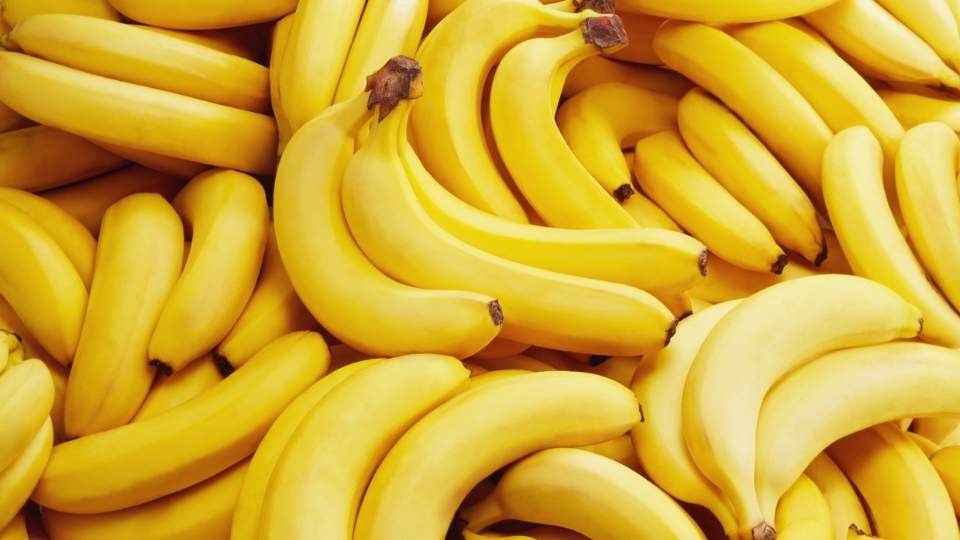
Diet is one of the most underused supportive tools in addiction recovery. Certain essential nutrients support brain function, mood, gut health, and overall well-being, all of which influence how often and how strongly you experience cravings.
| Nutrient | Food Sources | How It Helps |
| Vitamin B6 | Bananas, avocados, chickpeas | Supports neurotransmitter production and overall brain health |
| Omega-3 fatty acids | Salmon, walnuts, flaxseeds | Supports brain and cardiovascular health during recovery |
| Complex carbohydrates | Whole grains, oats, brown rice | Provides steady release of energy and helps stabilize blood sugar levels |
| Protein | Lean meats, legumes, eggs | Helps regulate blood sugar and supplies amino acids for neurotransmitters |
| Magnesium | Dark chocolate, nuts, leafy greens | May be low in chronic drinkers; supports normal nerve, muscle, and sleep-related functions |
| Antioxidants | Berries, dark chocolate, green vegetables | Supports overall health and helps the body respond to oxidative stress |
Foods rich in vitamin B6, such as bananas, avocados, and chickpeas, can support neurotransmitter production and overall brain health. Omega-3 fatty acids found in salmon, walnuts, and flaxseeds can support brain health, which may help during alcohol recovery.
Eating regular meals also matters. Skipping meals leads to blood sugar dips that often trigger cravings. Aim for three balanced meals with snacks as needed to keep blood sugar steady, which can curb cravings throughout the day.
Addressing nutritional deficiencies that build up during heavy drinking is part of repairing overall health and improving mood in early recovery.
Heavy Drinking and Why Cravings Feel So Intense
Heavy drinking changes the brain in ways that take time to reverse. Chronic alcohol use depletes essential nutrients, disrupts brain chemistry, and can damage organs, including the liver. Some people experience liver damage long before they recognize their drinking as a problem.
The intensity of alcohol cravings often relates to how long and how much someone has been drinking, along with genetics, stress, mental health, and environmental triggers. People with longer histories of alcohol abuse may experience cravings that feel almost physical, with restlessness, sweating, or other physical sensations showing up alongside the urge to drink.
This is part of why early recovery often benefits from medical supervision. Withdrawal symptoms can range from mild anxiety to dangerous seizures, depending on the level of alcohol dependence. Working with a structured outpatient treatment team gives you medical oversight while you build the coping strategies to manage alcohol cravings on your own. People at risk of severe withdrawal may need medical detox before outpatient care.
Coping Strategies for Long-Term Recovery
For many people, the first 90 days after they have stopped drinking are especially challenging. After that, cravings usually become less frequent, though they can return during stressful periods, anniversaries, or major life changes.
Effective strategies for long-term sobriety often include:
- Regular therapy or group therapy sessions
- A consistent sleep schedule
- Routine physical activity
- Ongoing nutritional support
- Honest check-ins with a trusted friend or sponsor
- Continued participation in support groups
Your recovery journey is not linear. Setbacks happen, and they are not a sign of failure. What matters is having coping strategies in place so you can respond instead of react.
For readers exploring structured care options, our guide on how long an intensive outpatient program typically lasts breaks down what to expect, and our complete guide to intensive outpatient programs covers how these programs work day to day. If housing is on your mind, our piece on whether IOP programs include housing explains the options available.
How to Control Alcohol Cravings: Frequently Asked Questions
How long do alcohol cravings last?
Many individual alcohol cravings peak within 15 to 30 minutes and then fade, though some last longer or return in waves. The frequency of cravings often decreases after the first few weeks of quitting alcohol, though occasional cravings can return for months depending on personal triggers and your history with alcohol use.
Can diet alone stop alcohol cravings?
Diet helps reduce the intensity of cravings, but it rarely stops alcohol cravings on its own for someone with alcohol dependence. Combining nutrition with mindfulness, exercise, support groups, and, where appropriate, professional support, produces better outcomes than any single approach.
When should I seek professional help to overcome addiction?
If you have tried to cut back on your own without success, if cravings interfere with daily life, if you notice withdrawal symptoms when you stop drinking, or if drinking has affected your relationships, work, or mental health, speaking with a healthcare professional is a reasonable next step. Anyone with heavy daily drinking, prior withdrawal symptoms, seizures, hallucinations, or severe dependence should speak with a healthcare professional before quitting suddenly. Earlier intervention generally leads to better recovery outcomes.
Get Support for Managing Alcohol Cravings Today
Learning how to control alcohol cravings takes time and the right combination of tools. Nutrition, mindfulness, exercise, support, and, when needed, professional treatment all contribute to lasting change and overall well-being. If you are ready to take the next step, our team is here to help you build a treatment plan that fits your life and supports long-term sobriety. Reach out today to learn more about our outpatient treatment options.