

Alcohol holds a complicated place in many cultures. It shows up at celebrations, business dinners, and quiet evenings at home. For some people, drinking alcohol stays casual throughout their lives. For others, alcohol use gradually shifts into something that feels much harder to control. Understanding what makes alcohol addictive can help people spot warning signs earlier and seek help before patterns deepen.
This article looks at the biology, psychology, and social factors behind alcohol dependence. If you or someone you care about is struggling, the structured partial hospitalization treatment programs at Inspiring Minds can provide a strong foundation for recovery. Honest information is often the first step toward change.
What Makes Alcohol Addictive at the Biological Level
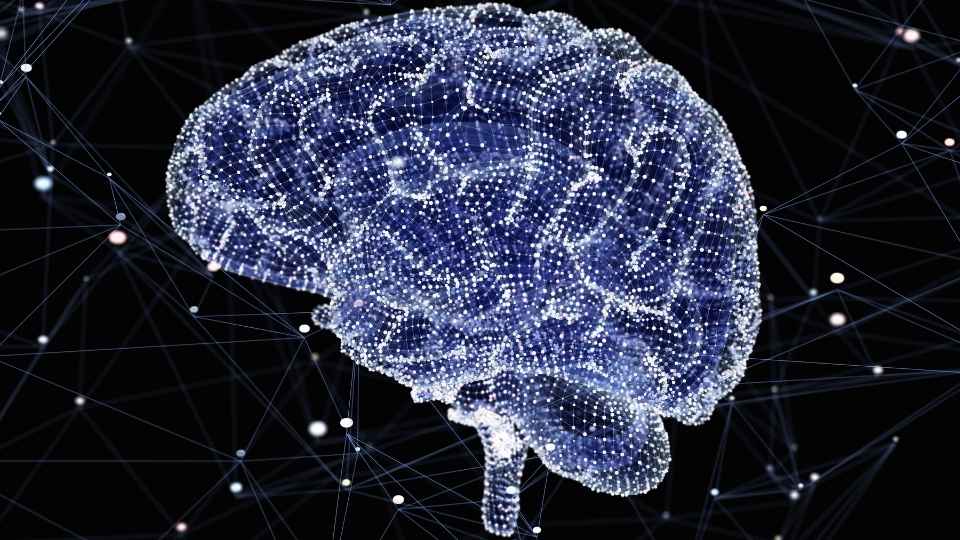
Alcohol acts on multiple brain systems at once. Drinking alcohol affects dopamine-related reward pathways while also altering GABA and glutamate, two neurotransmitter systems that regulate calm and excitement. This combination produces short-term feelings of relaxation, confidence, and reward.
Over time, the brain adapts. Repeated exposure can dampen its natural dopamine response, so drinking alcohol no longer feels as pleasurable as it once did. The brain may begin to associate alcohol with relief or reward more strongly, which is one reason alcohol use can become compulsive in alcohol use disorder.
How Alcohol Affects the Brain’s Reward Circuitry
Alcohol affects the prefrontal cortex, the region responsible for decision-making and impulse control. When these self-control circuits are impaired, a person may keep drinking even after deciding to stop drinking. Clinicians often describe this as a learned cycle in which alcohol use is reinforced even when consequences pile up.
Major medical organizations describe alcohol use disorder as a chronic, treatable brain disorder. This framing matters because it highlights that addiction is not a moral failing but a measurable shift in how the brain handles reward, stress, and self-control.
The Role of Tolerance and Physical Dependence
As alcohol use continues, tolerance grows. A person needs more alcohol to feel the same effect, which often pushes consumption into heavy drinking territory. Physical dependence develops when the body adapts to regular alcohol exposure, and withdrawal symptoms appear when alcohol is reduced or stopped. Once that happens, stopping can trigger uncomfortable and sometimes dangerous reactions.
Patterns of Alcohol Consumption That Raise Risk
Not all alcohol consumption looks the same. Some patterns carry far greater risk of dependence than others. Recognizing these patterns can help people evaluate their own habits honestly.
Common high-risk patterns include:
- Binge drinking, often defined as five or more drinks for men or at least four drinks for women within about two hours, according to the Substance Abuse and Mental Health Services Administration
- Heavy alcohol use, which can mean binge drinking on five or more days in the past month or, in weekly drinking guidance, 15 or more drinks per week for men or 8 or more for women
- Daily drinking of beer, wine, or distilled spirits, which can quietly build a habit and tolerance for some people, especially as amounts increase over time
- Drinking to cope with stress, anxiety, or mental health problems
These patterns often appear before a diagnosable problem develops, making them useful warning signs for unhealthy alcohol use.
Excessive Alcohol Use and the Brain Over Time
Excessive alcohol use changes the structure of the brain in measurable ways. Imaging studies have linked chronic heavy alcohol use with shrinkage or volume changes in regions tied to memory and emotional regulation. With continued excessive drinking, some changes can become long-lasting and harder to reverse, especially when heavy alcohol use is paired with nutritional deficiencies or repeated withdrawal.
Excessive alcohol intake also increases the risk of accidental injury, motor vehicle accidents, and alcohol overdose. The harmful consequences extend beyond the individual to families and communities.
Recognizing Alcohol Use Disorder
The Diagnostic and Statistical Manual of Mental Disorders outlines criteria for alcohol use disorder. A clinician looks for patterns such as craving alcohol, unsuccessful attempts to reduce alcohol consumption, and continued use of alcohol despite alcohol related problems.
Alcohol use disorder sits on a spectrum from mild to severe. Mild alcohol use disorder may involve two or three symptoms, while severe alcohol use disorder typically involves six or more. This range reminds us that problematic alcohol use does not always look extreme from the outside.
Common Signs and Symptoms
The signs and symptoms of alcohol use disorder often appear gradually. Some are physical, others behavioral or emotional. Family members are sometimes the first to notice.
| Category | Common Indicators |
|---|---|
| Behavioral | Drinking more or longer than intended, hiding alcohol |
| Physical | Tolerance, alcohol withdrawal symptoms, sleep changes |
| Social | Conflicts at home or work, isolation from loved ones |
| Emotional | Anxiety between drinks, low mood, irritability |
| Cognitive | Memory lapses, difficulty concentrating |
Spotting these patterns early can open the door to honest conversations and timely addiction treatment.
Alcohol Withdrawal and Why Stopping Is Hard
Alcohol withdrawal happens when someone who has been drinking heavily suddenly cuts back or quits. The nervous system, used to alcohol’s calming effect, becomes overactive. Withdrawal symptoms may include tremors, sweating, nausea, anxiety, and, in severe cases, hallucinations, seizures, or delirium tremens.
Because alcohol withdrawal symptoms can become medically serious, people with heavy alcohol patterns should not stop drinking abruptly without guidance. Medical supervision can help manage withdrawal symptoms, reduce risk, and connect people to ongoing treatment for cravings and recovery.
How Alcohol Addiction Compares to Drug Addiction

The brain mechanisms behind alcohol addiction overlap significantly with those behind drug addiction. Both involve reward and stress systems, both can produce compulsive use despite harm, and both fall under the broader category of substance use disorder.
The key difference is accessibility. Alcohol is legal, widely available, and socially encouraged in many settings, which can make a developing drinking problem harder to spot than the use of other drugs.
Causes of Alcohol Dependence
There is no single cause. Alcohol dependence develops through an interaction of genetic factors, environmental factors, and life experiences. Risk factors that researchers commonly cite include:
- A family history of alcoholism or other mental disorders
- People who start drinking at an early age, particularly young people and young adults
- Co-occurring conditions such as depression, anxiety, or bipolar disorder
- Chronic stress or trauma
- Easy access to alcohol during adolescence
These factors do not guarantee addiction, but they raise the risk that casual habits may turn into something more serious.
Genetics and Family History
Research suggests that genetics accounts for roughly half of the risk for developing what was once called alcoholism. A family history of substance use disorder does not seal anyone’s fate, but it is worth taking seriously when evaluating your own use of alcohol.
Mental Health and Co-Occurring Conditions
Many people who develop alcohol problems also live with mental health conditions. Drinking can temporarily ease symptoms of anxiety or depression, but it tends to worsen them over time. Young people who turn to alcohol as a coping tool may find that consuming alcohol regularly deepens the very feelings they were trying to escape. Treating both conditions together typically produces better outcomes than treating either alone.
How Heavy Alcohol Use Affects Physical Health
Alcohol affects nearly every organ in the body. Liver disease is one of the most well-known health consequences, but the heart, pancreas, and immune system also suffer from sustained heavy drinking. High blood pressure becomes more likely, and the risk of certain cancers increases.
Even short of these long-term outcomes, regular heavy alcohol use can cause memory issues, mood swings, and reduced overall well-being. Repeated heavy alcohol use over many years has been linked to lasting cognitive changes, and ongoing heavy alcohol use can also weaken immune function in ways that may take time to improve after drinking stops.
The Social Side of a Drinking Problem
A drinking problem rarely stays contained to one person. Relationships shift, work performance changes, and family routines often adjust around the drinker’s needs. Children of parents with alcohol misuse may carry that experience into adulthood, sometimes shaping their own relationship with alcohol.
Communities such as Alcoholics Anonymous have helped many people find peer support, structure, and accountability during recovery. Group support pairs well with clinical care for many participants.
Stages of Alcohol Dependence
Alcohol dependence can develop in recognizable patterns, though the pace and sequence differ from person to person.
Common patterns may include:
- Experimentation: Initial use, often during young adulthood
- Regular use: Drinking becomes part of the daily routine
- Problem drinking: Negative consequences begin to surface
- Dependence: Physical and psychological reliance set in
- Chronic alcohol misuse: Health, relationships, and daily function decline
Knowing which pattern someone is in can help match them with the right level of care.
Pathways to Addiction Treatment
Effective addiction treatment usually combines medical, psychological, and social support. There is no single right path, but most plans include some combination of withdrawal management when needed, therapy, FDA-approved medications, peer support, and lifestyle changes.
For people who need a high level of structure without full residential care, intensive outpatient services offer therapy several days a week while letting participants maintain work or family responsibilities. Reading more about what an intensive outpatient program involves can help you decide whether this fits your situation.
Therapy and Counseling
Cognitive behavioral therapy helps people identify the thoughts and triggers that drive drinking. Motivational interviewing supports change without pressure. Family therapy can rebuild trust and communication.
Medication Support
Several medications can decrease cravings and reduce relapse risk. A clinician can review these options and discuss what fits each person’s history. For those wondering about treatment timing, this guide on how long an intensive outpatient program lasts may help.
Building a Long-Term Recovery Plan
Recovery is rarely a straight line. A long-term plan often includes ongoing therapy, peer groups such as Alcoholics Anonymous, healthy routines, and clear strategies for handling triggers. Some people exploring options for housing during outpatient treatment find that structured living supports stability during the early months.
What Makes Alcohol Addictive? FAQs
Is alcohol addiction really a disease?
Yes. Major medical organizations describe alcohol use disorder as a chronic, treatable brain disorder involving changes in reward, stress, and self-control systems. This view is based on measurable changes in brain structure and function that can develop with sustained excessive alcohol consumption.
How much alcohol use is too much?
Risk rises with quantity and frequency. National survey data and other research bodies often flag binge drinking, defined as at least four drinks for women or five for men in roughly two hours, as a meaningful warning sign. Daily heavy drinking is also a clear red flag.
Can someone with alcohol use disorder ever drink moderately again?
For many people with moderate to severe alcohol use disorder, abstinence is the safest goal. Others may begin with harm reduction or reduced drinking goals under professional guidance. Returning to moderate amounts is difficult for many people once the brain has adapted to heavy alcohol patterns, and even small amounts may trigger a return to old habits. A qualified treatment team can help weigh individual options.
Moving Forward
Understanding what makes alcohol addictive is not just an academic exercise. It can shift how people see themselves, their loved ones, and the path ahead. Alcohol use disorder grows out of a real interaction between brain chemistry, life experience, and environment, which means it can also be treated with the right combination of care, support, and time. If you are noticing patterns in your own life or in someone close to you, reaching out for guidance is a strong next step.